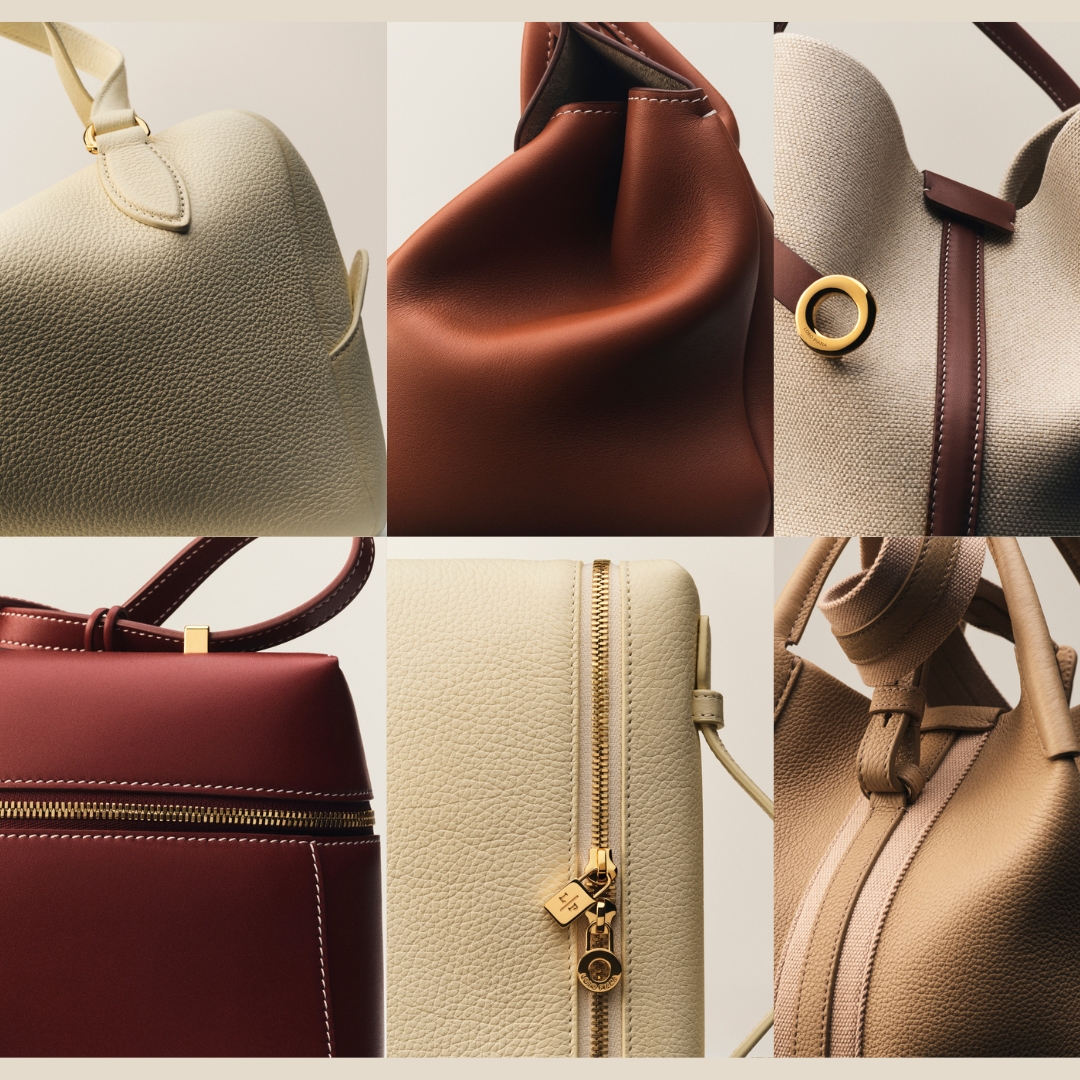
When it comes to bags, I pay attention. A handbag is never just storage. It is posture. It is rhythm. It is what a woman chooses to carry into the world.
The Loro Piana bags for Spring/Summer 2026 arrive at a moment when luxury is being quietly redefined. Less noise. Fewer logos. More substance. And perhaps that is the real story: if you need a logo to recognise luxury, it may not be luxury at all.
At a time when many maisons rely on visibility, Loro Piana places the focus on tactility, heritage and craft. The brand’s signature bags step into the spotlight, not with spectacle, but with understated allure.
Why Loro Piana Is Focusing on Bags in 2026
For Spring/Summer 2026, Loro Piana centres its narrative around seven models, each rooted in the Maison’s textile history and artisanal expertise.
The house, founded in the 19th century and known globally for sourcing some of the world’s finest fibres, approaches leather goods the way it approaches cashmere: through material first, image second.
This is not a trend exercise. It is a material study.
The Bags Defining the Loro Piana 2026 Collection
The Bale Bag
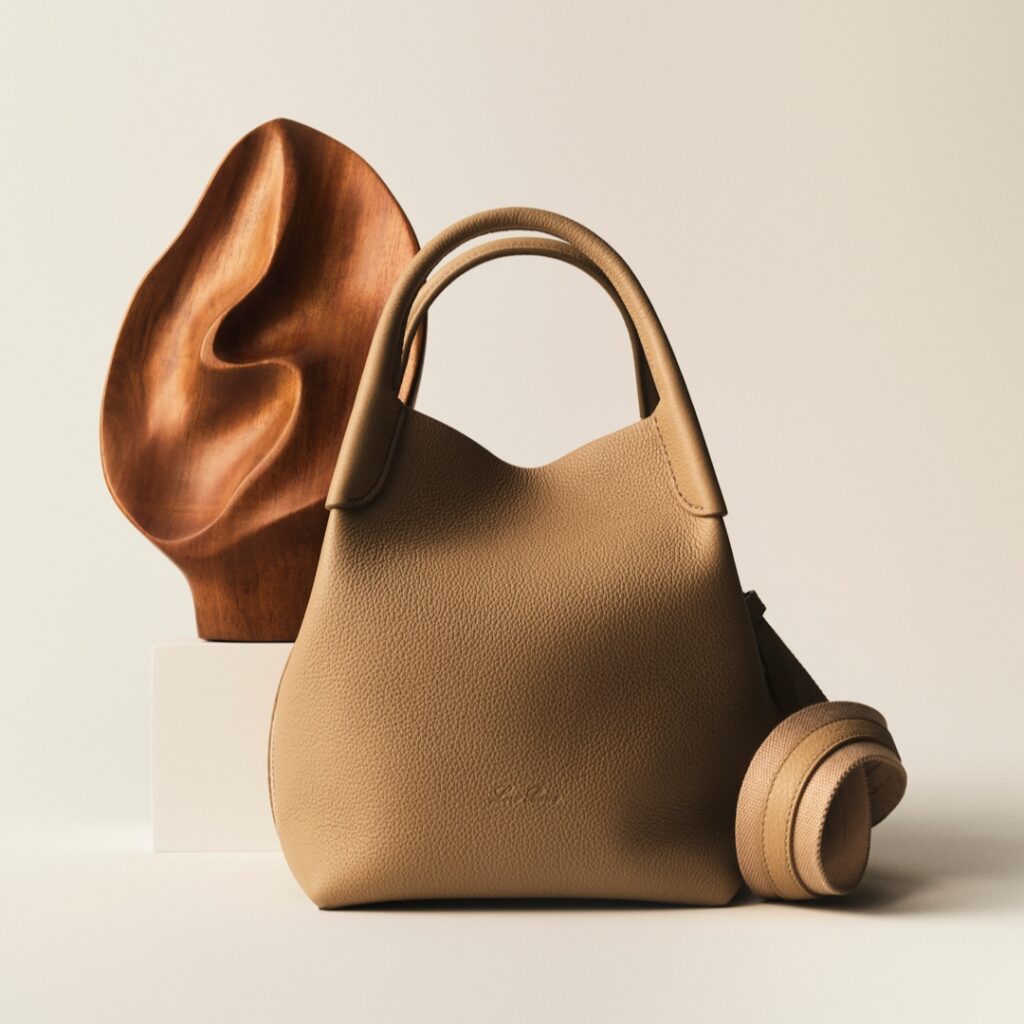
Inspired by the large cashmere bales used to transport raw fibres, the Bale Bag references the brand’s textile origins. Its seamless construction creates a soft, almost fluid silhouette.
It feels lived-in from the start. Tactile. Grounded. Designed for daily use rather than display.
The Extra Bag
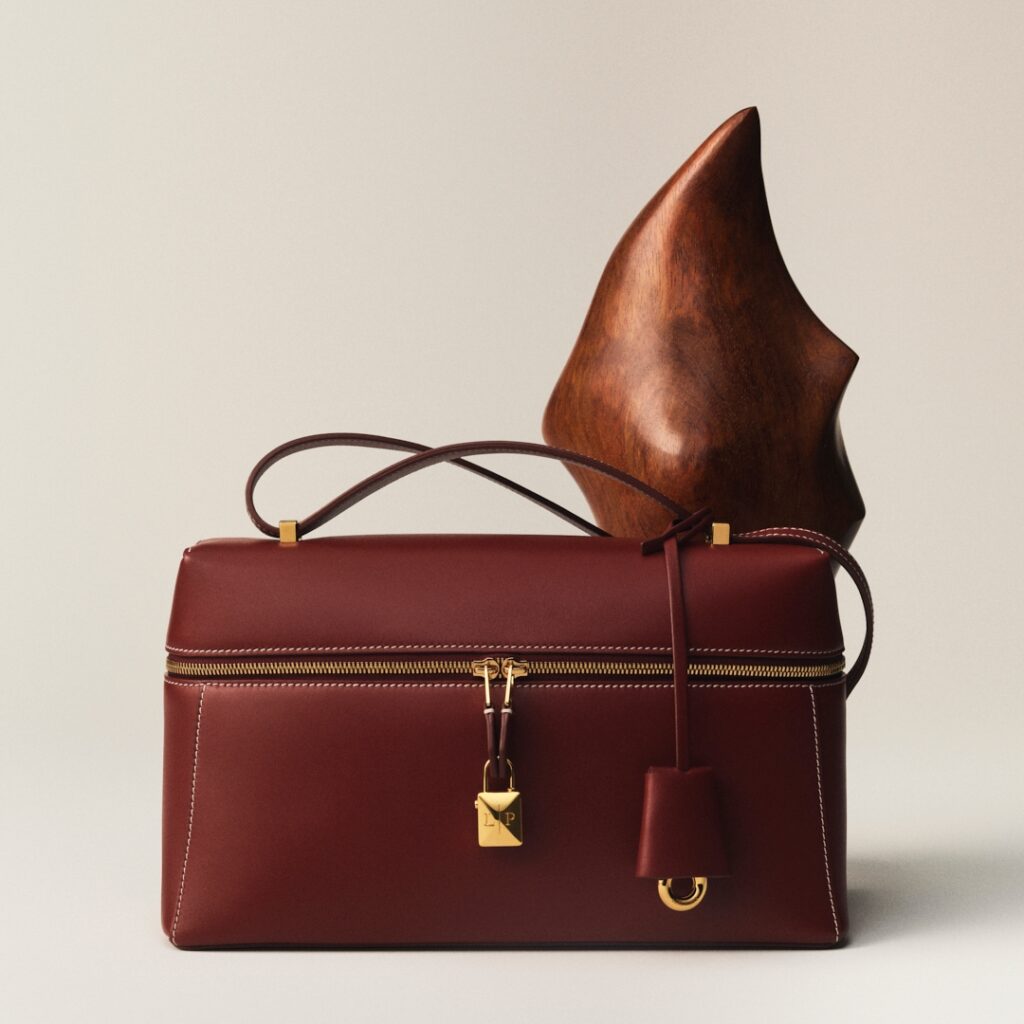
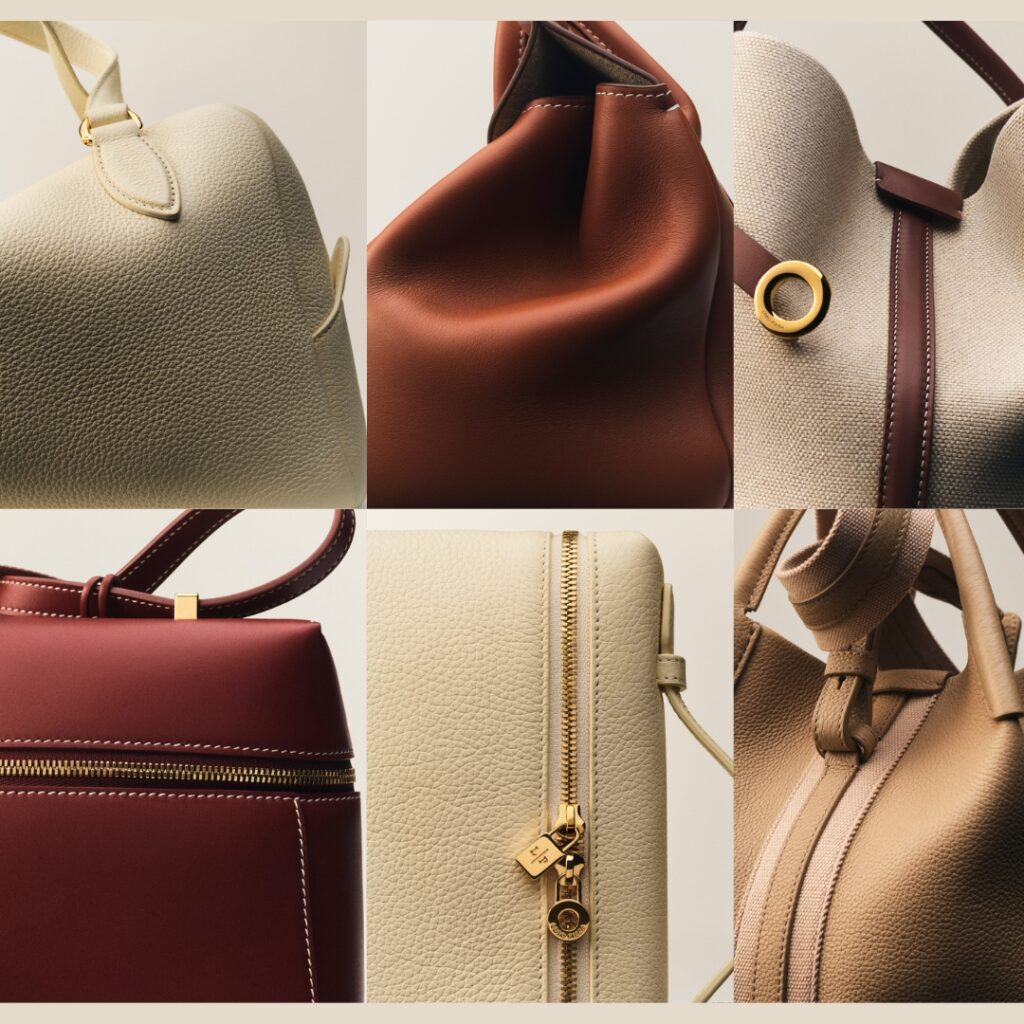
Compact yet generous, the Extra Bag balances structure and softness. Details such as stitched edges and the discreet padlock underline craftsmanship without turning into branding.
It communicates status through precision, not visibility.
The Extra Pocket
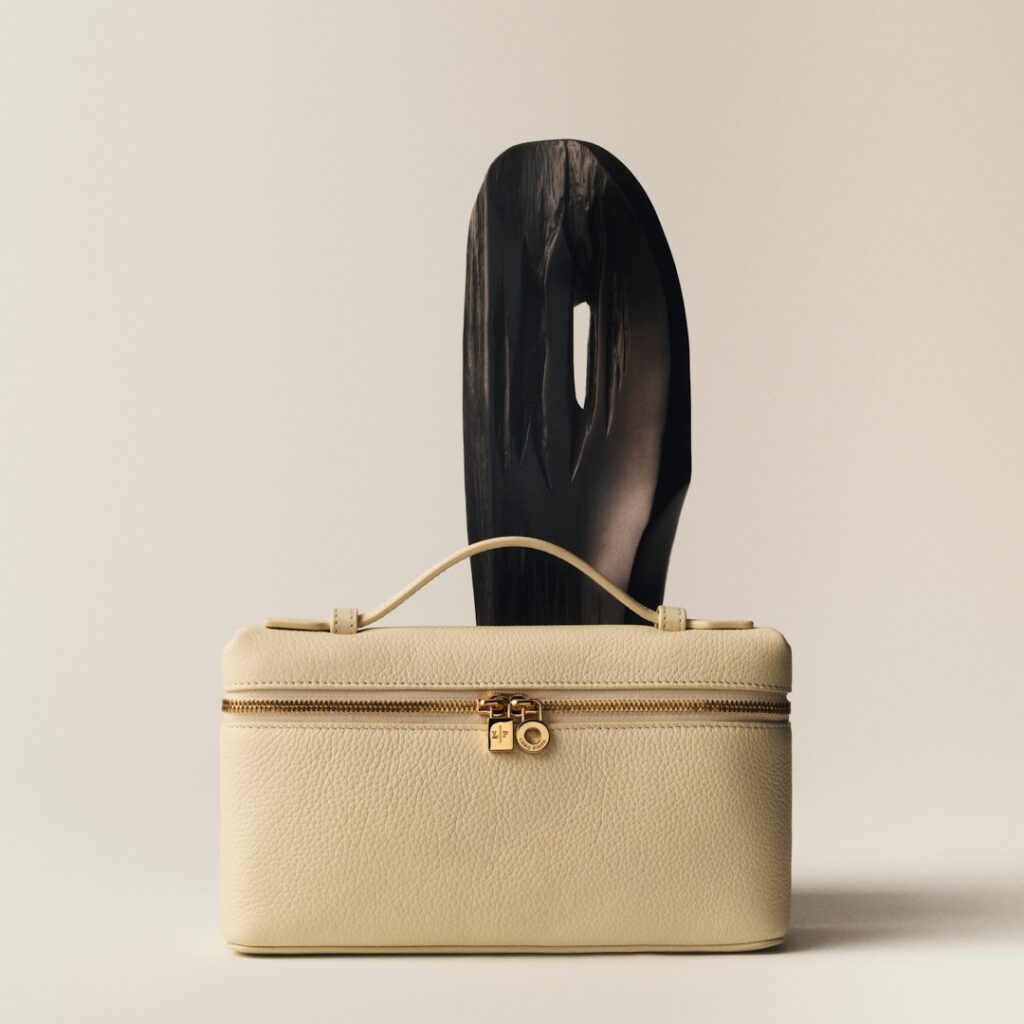
Small, functional and quietly refined, the Extra Pocket embodies reduced luxury. It can be carried by hand or worn crossbody.
It is the kind of bag that does not ask to be photographed. It asks to be used.
The Ghiera Shopper
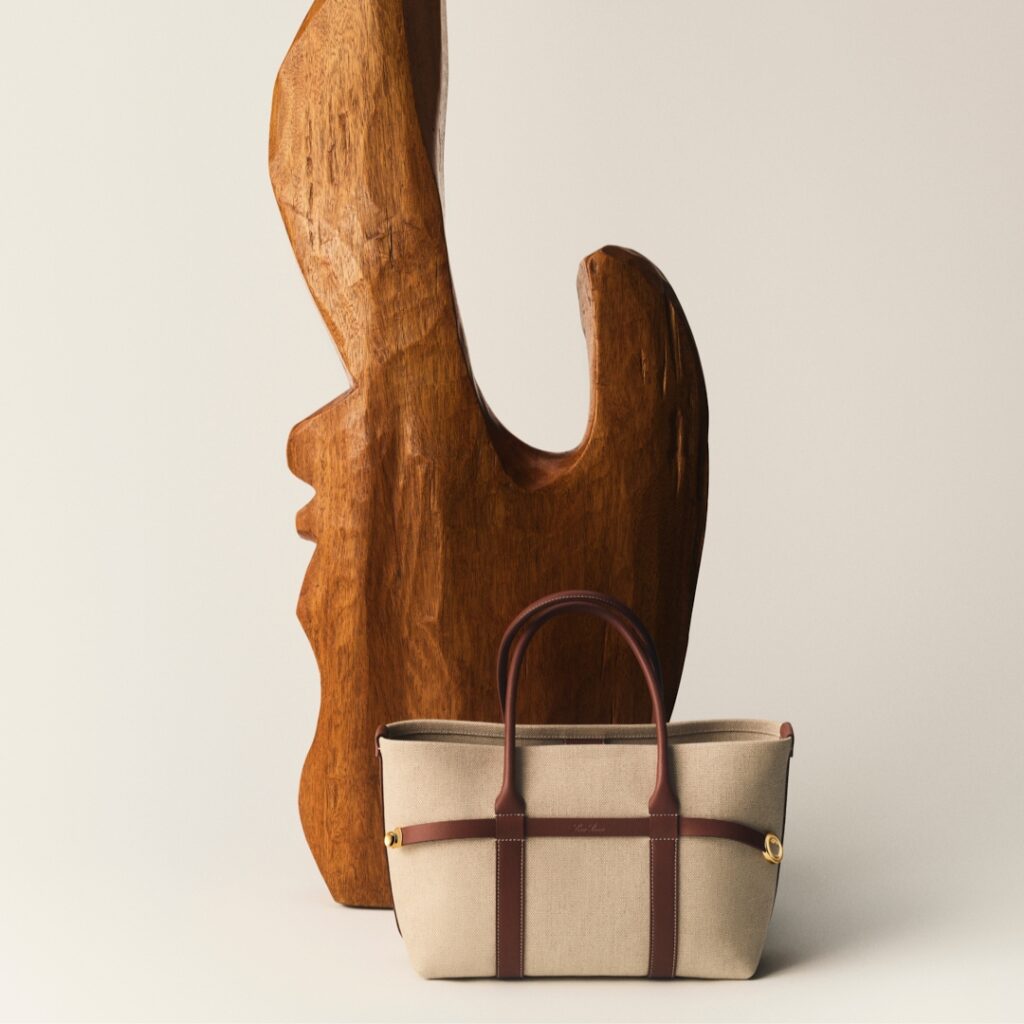
Named after the Ghiera metal rings used in spinning machines — a technical reference to the brand’s textile machinery — this shopper unites function and elegance.
Its rounded lines and cashmere lining soften the structure. It is generous without being loud.
The Loom Bag
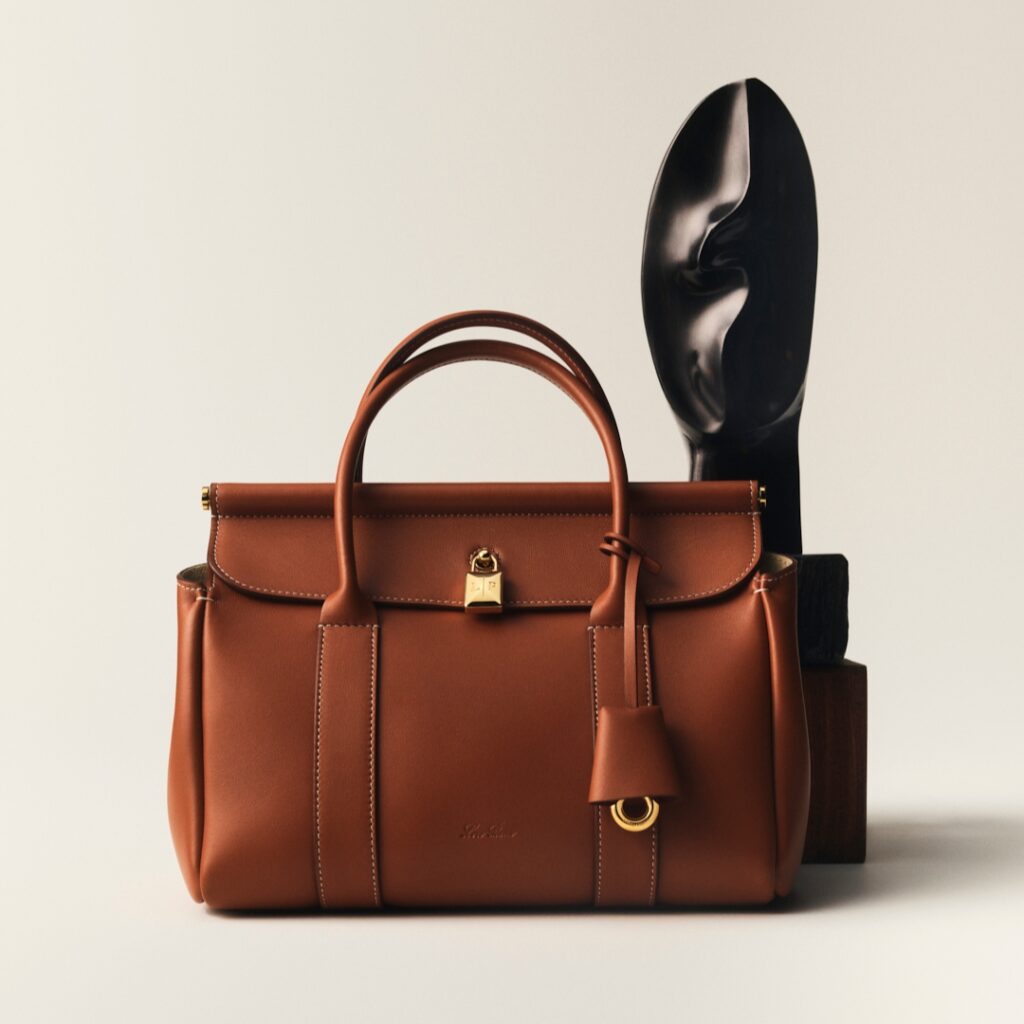
The Loom Bag reflects the art of weaving. Its lightness results from an inside-out construction technique that reduces weight while maintaining structure.
Comfort here is not accidental. It is engineered.
The Needle Bag
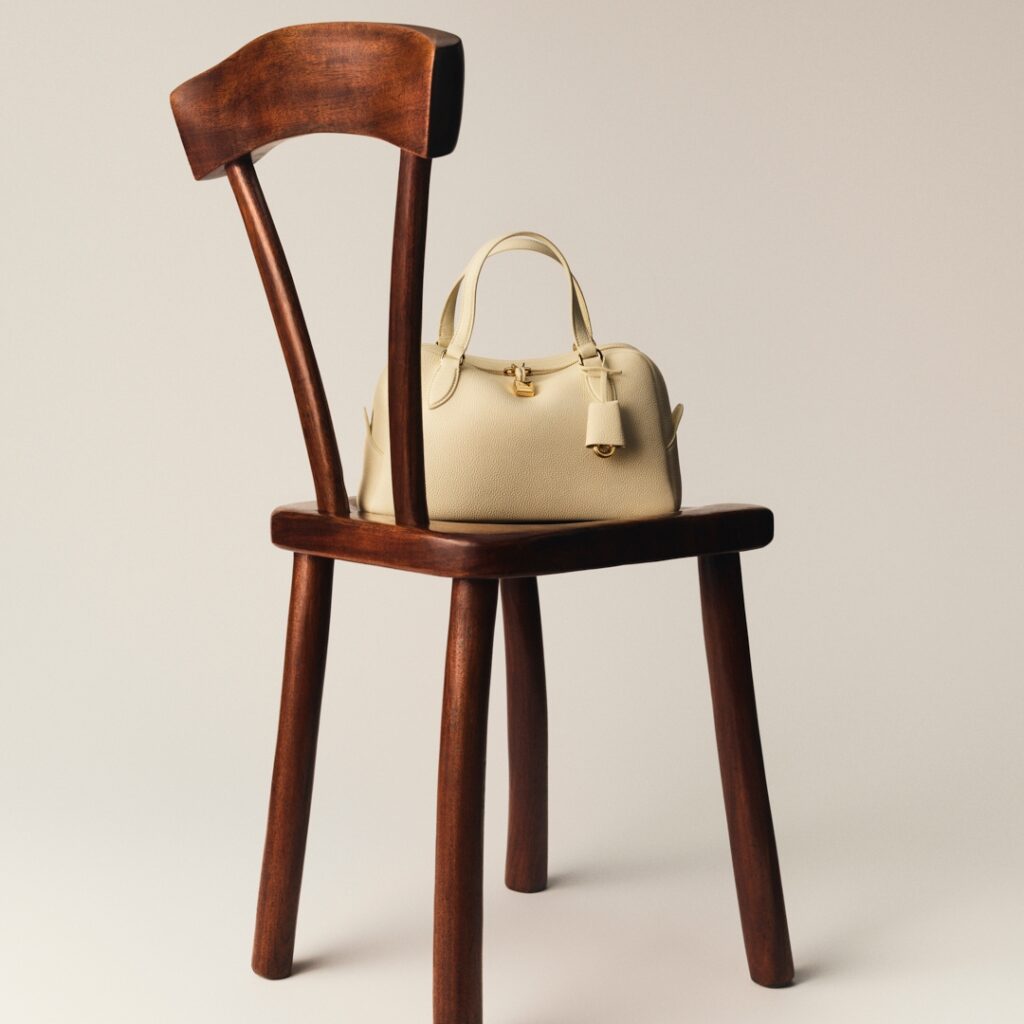
Crafted from a single piece of leather and finished seamlessly, the Needle Bag represents artisanal precision.
There is something almost meditative about it. A respect for material that resists excess.
The Extra Softy Bag
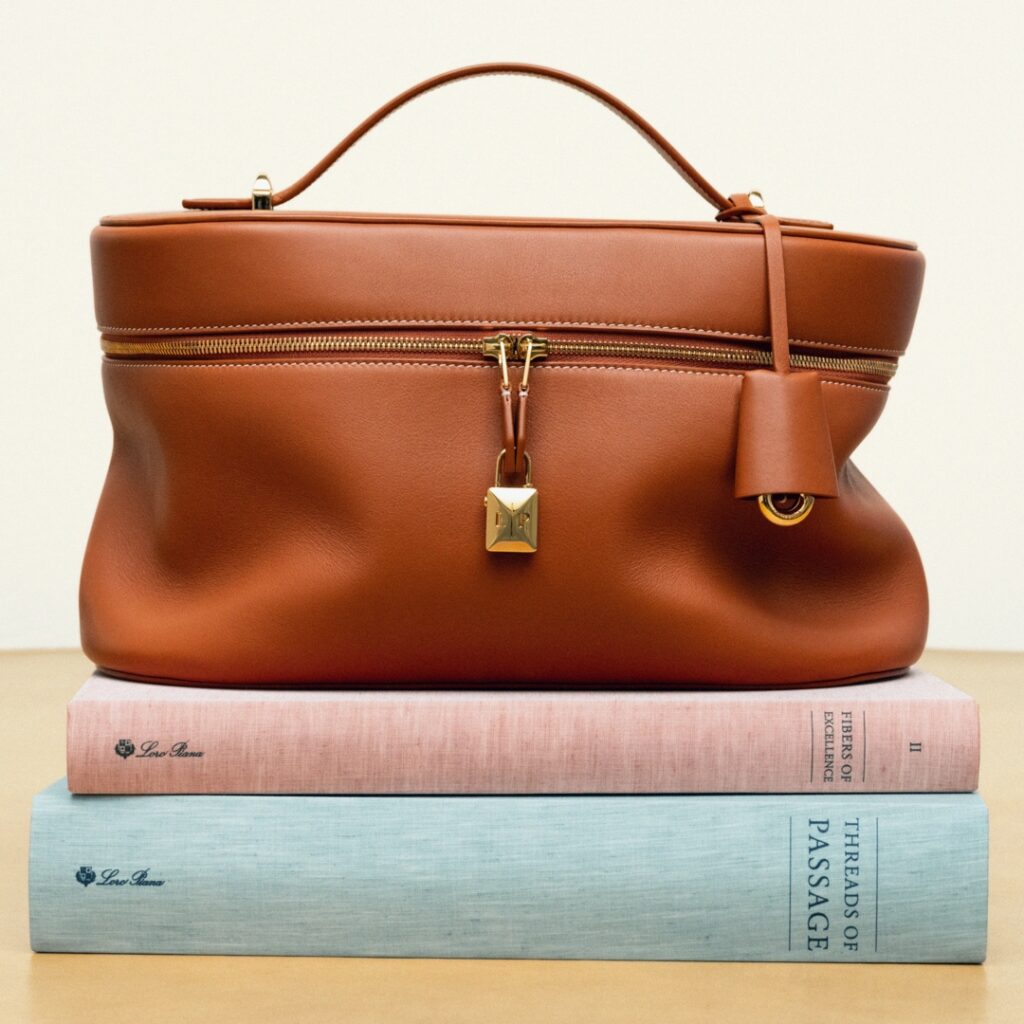
As the name suggests, the Extra Softy leans into suppleness. It prioritises feel over formality.
In a culture that equates luxury with stiffness and display, softness can feel radical.
The Just Bag
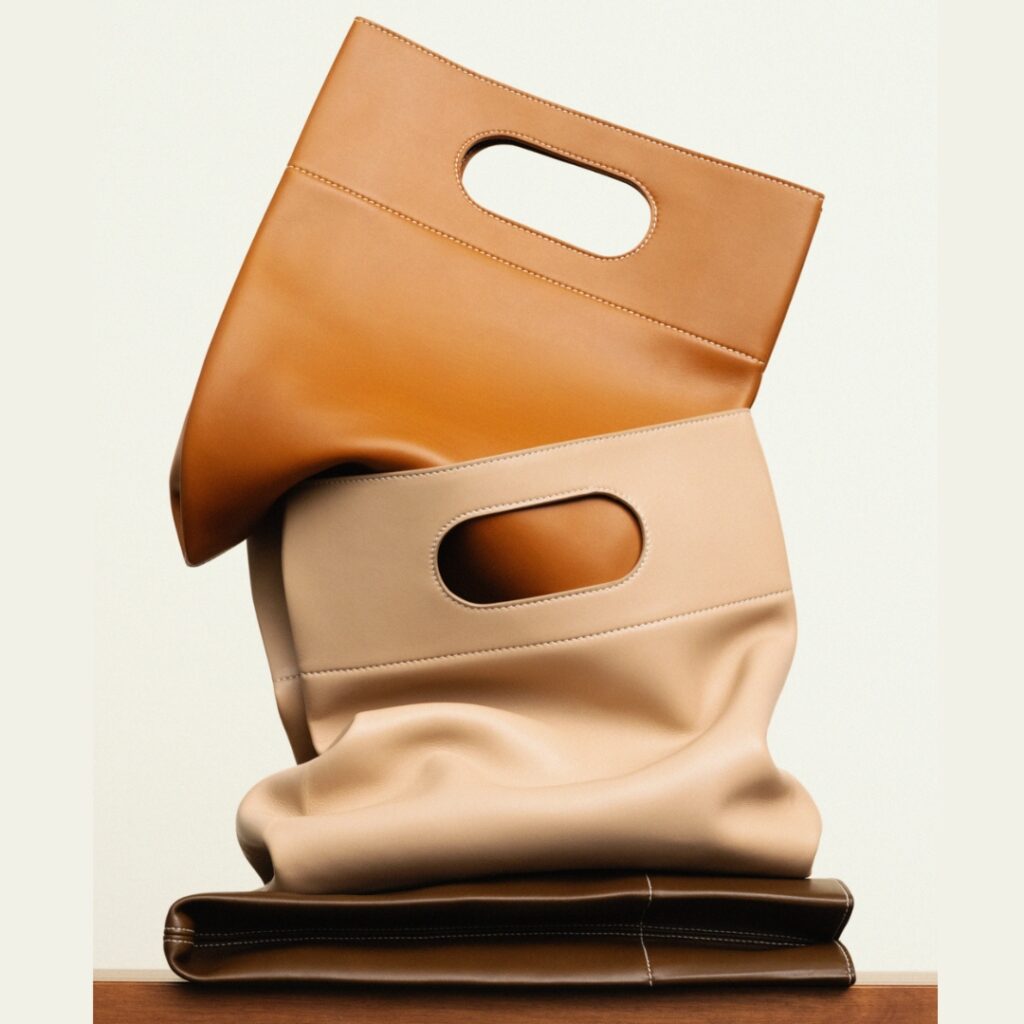
New for Spring/Summer 2026, the Just Bag distils Loro Piana’s philosophy to its purest form. Its rectangular silhouette feels almost architectural — calm, precise, deliberate.
Handcrafted in Italy from a single piece of smooth, silk-calf leather, it contains no metal hardware. Even the handle is cut directly from the leather itself. The result is seamless and tactile, with only a discreet embossed signature.
And that confidence, quiet, composed, materially assured, is the real signature.
Craft-Luxury vs Logomania
There was a time when logos signalled aspiration. In the late 1990s and early 2000s, visibility equalled value.
Today, the equation is shifting.
Consumers, especially in Europe, are increasingly sceptical. Prices have climbed sharply across the luxury sector over the past decade, while questions about quality control, production transparency and supply chains have multiplied. Public financial reports from major luxury groups show record revenues, yet online forums are filled with complaints about declining craftsmanship and customer service.
In this context, craft-luxury emerges as a counter-movement.
Craft-luxury prioritises:
- material excellence
- traceable sourcing
- durability over trend
- discretion over display
Logomania, by contrast, depends on recognition. It requires an audience. Craft-luxury requires attention — from the wearer, not the crowd.
Perhaps the real shift is psychological. Mature consumers are less interested in proving status and more interested in aligning purchases with personal values. Permanence over performance. Meaning over marketing.
What Loro Piana Represents in This Debate
LVMH acquired a majority stake in Loro Piana in 2013, integrating the brand into one of the world’s largest luxury conglomerates. Yet the house has maintained its identity as a fibre specialist, controlling sourcing from vicuña reserves in Peru to fine merino wool in Australia and cashmere from Mongolia.
Unlike many competitors, Loro Piana rarely places visible logos on its products. Recognition comes through material and silhouette rather than monograms.
This positioning aligns with the broader European appetite for restraint. Especially among women over 40, luxury increasingly means comfort, longevity and dignity rather than spectacle.
Facts About Loro Piana
- Founded in 1924 as a textile company in Italy (with family roots tracing back to the early 19th century).
- Specialises in rare fibres including vicuña, baby cashmere and superfine merino wool.
- Acquired 80% by LVMH in 2013; the founding family retained a minority stake.
- Known for vertical integration and direct sourcing of raw materials.
- Operates in the ultra-premium segment, often described as “quiet luxury.”
If You Need a Logo, It’s Not Luxury
That sentence may sound provocative. It is not meant to be moralising. It is an observation.
Luxury, at its core, was never about visibility. Historically, it was about rarity, skill and time. Logos arrived later, when scale demanded faster recognition.
The Loro Piana bags Spring /Summer 2026 feel like a return to first principles.
Not nostalgia. Not minimalism for Instagram. But a deliberate choice: to let material speak.
And perhaps that is the most telling detail of all.
Loro Piana bags photographed by Charles Negre with wood sculpture by Alexandre Noll