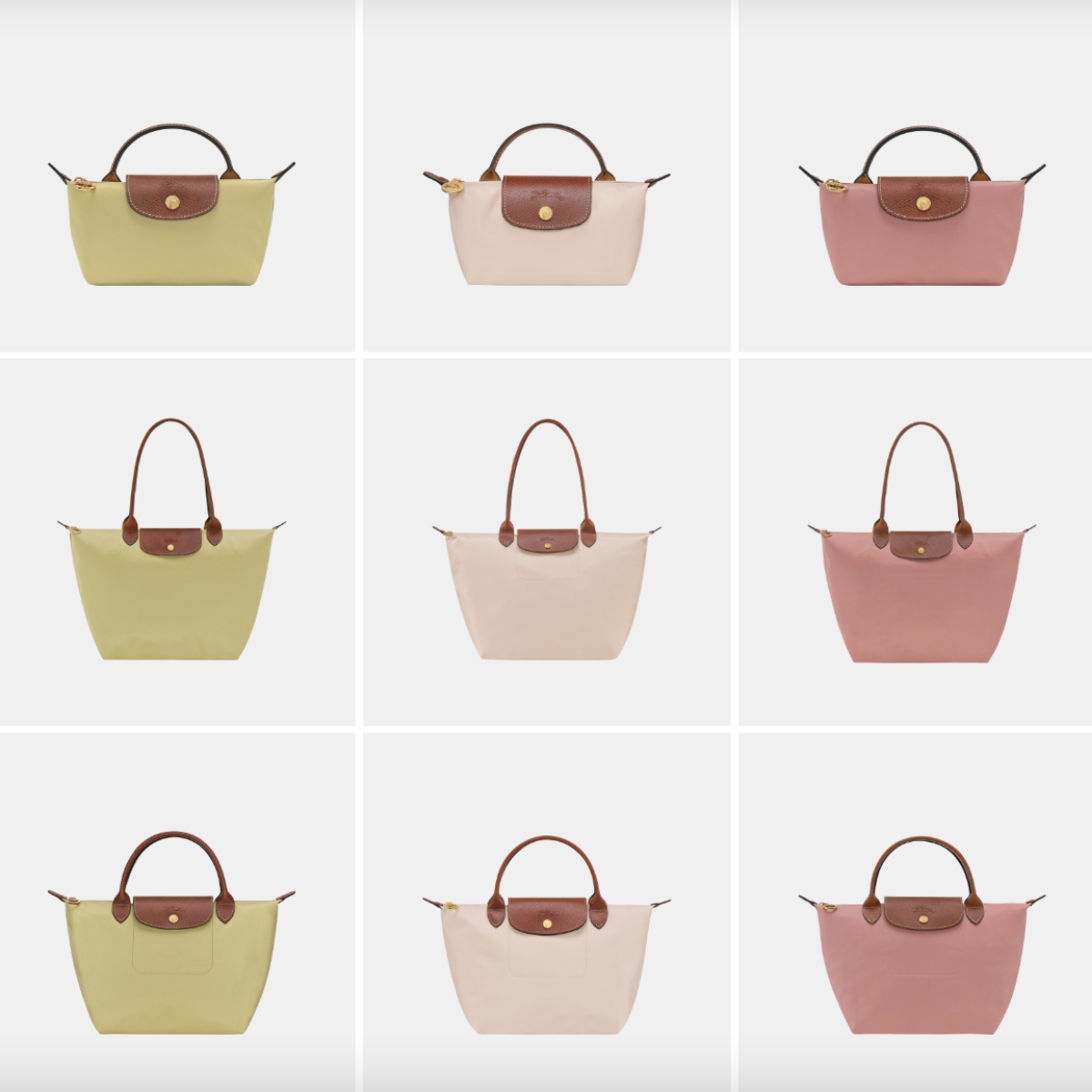
There is something almost funny about the return of the Longchamp Le Pliage. For years, it lived in that complicated corner of fashion reserved for pieces we associated with school runs, airport terminals, university libraries and the practical side of grown-up life. Then, almost without warning, it reappeared on the arms of Gen Z girls in Paris, looking fresh again.
And perhaps that is precisely why its comeback feels so interesting.
In a fashion culture that often mistakes novelty for desirability, the Longchamp bag revival points in another direction. It suggests that young women are not only looking for statement pieces. They are also looking for bags that can survive a real day. Bags that hold a laptop, a cardigan, a book, a beauty pouch and the quiet chaos of modern life. The Le Pliage, designed by Philippe Cassegrain in 1993 and inspired by origami, was built for exactly that.
The Longchamp bag that made the house a household name
Longchamp itself began in 1948, when Jean Cassegrain founded the Parisian house, but Le Pliage is the design that carried the brand into a much broader cultural orbit. Foldable, light, recognisable and unusually easy to live with, it became one of those rare accessories that slipped across generations without losing its identity. Longchamp still presents it as one of the house’s defining creations, with its leather flap, nylon body and instantly recognisable structure.
Its strength was never theatricality. The bag succeeded because it understood women’s lives better than many more expensive competitors did. It offered elegance without fragility, usefulness without aesthetic compromise. In other words, it was practical in the chic French sense of the word: not dull, just intelligent.
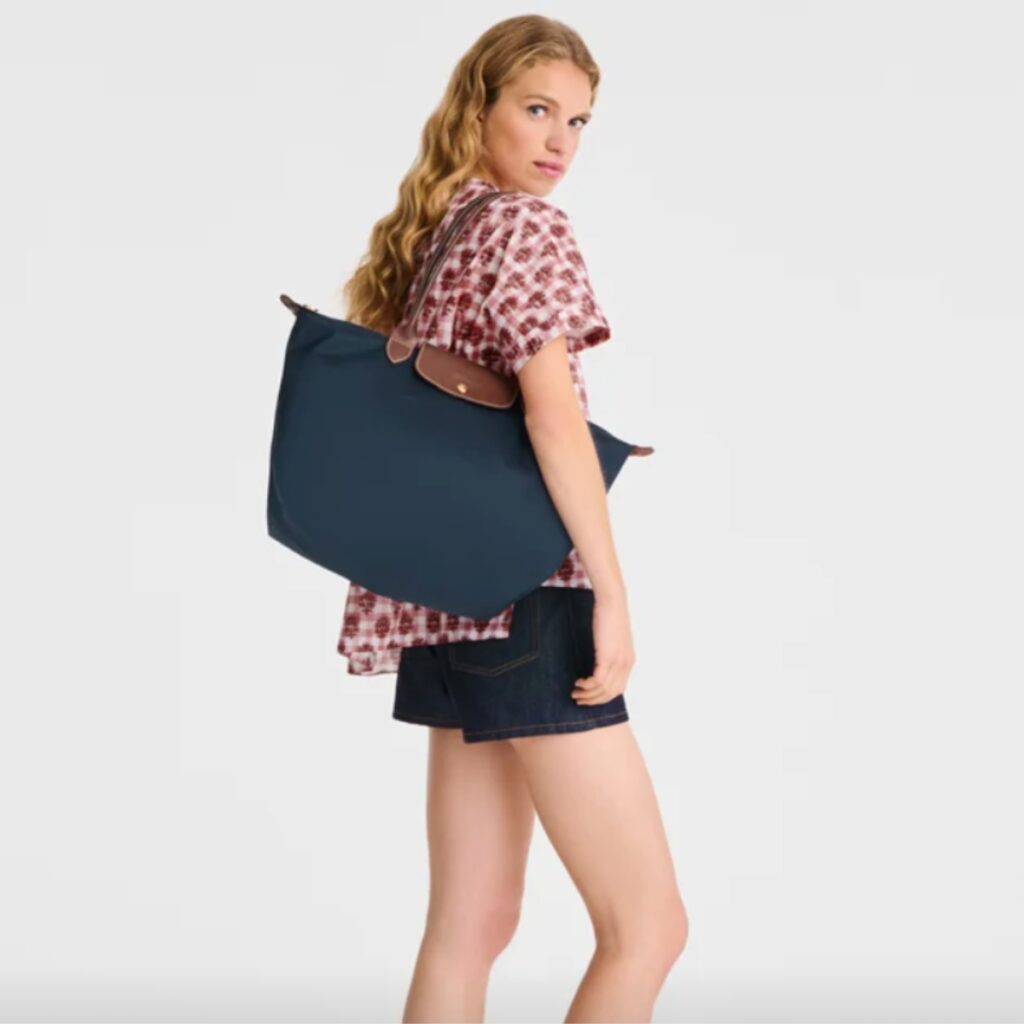
The Le Pliage, designed by Philippe Cassegrain in 1993
Why Gen Z fell for Le Pliage
The new generation did not rediscover Le Pliage by accident. One recent Vogue UK piece observed that Gen Z has embraced Longchamp for its preppy appeal and for its status as an accessible first designer bag. That reading makes sense, but it is only part of the story.
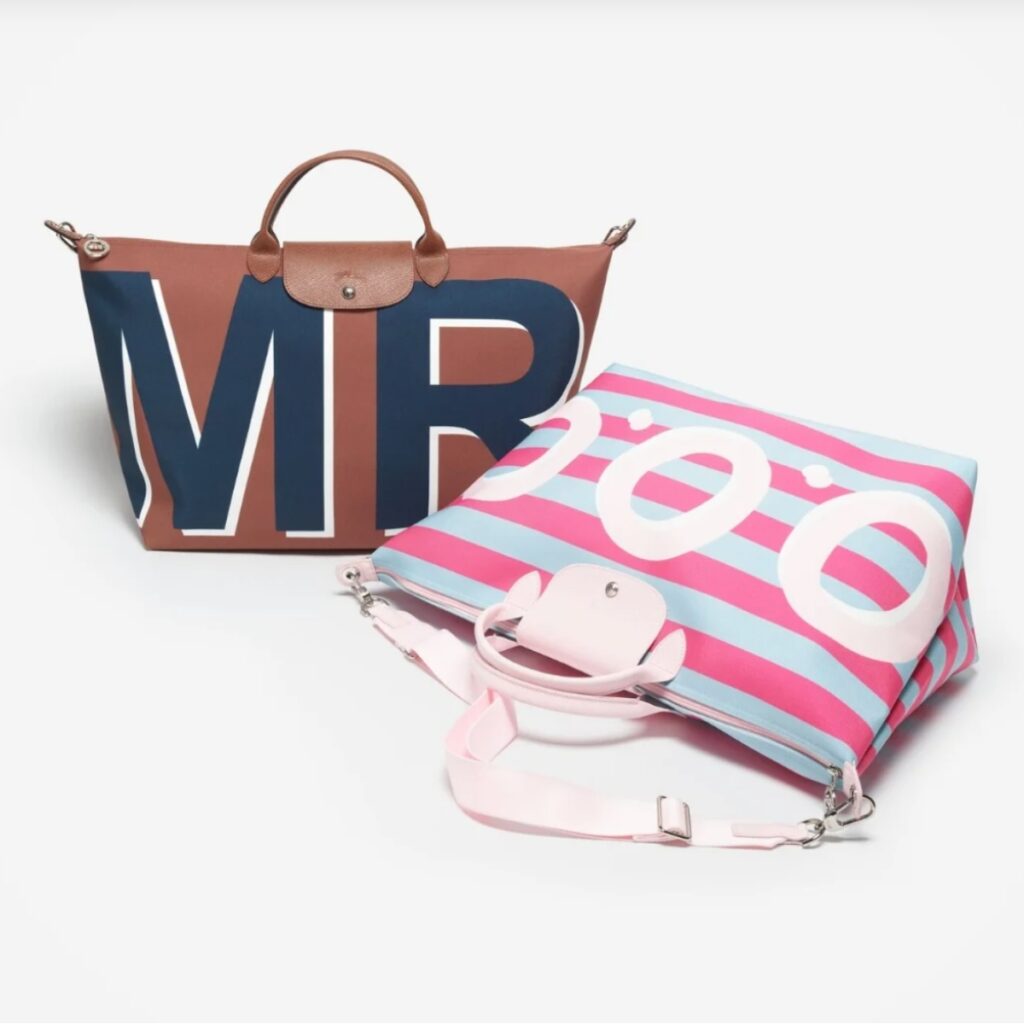
You can personalise a Longchamp bag with your initials
The deeper reason is cultural. After years of bags designed to perform on social media, Le Pliage feels refreshingly uninterested in performing at all. It does not beg to be noticed. It simply works. And that understated confidence is exactly what makes it attractive again.
A bag like this also carries a certain Parisian realism. It belongs to the city in a believable way. Not the fantasy version of Paris made of filtered café tables and impossible heels, but the real one: women crossing the street with purpose, carrying half their lives with them, looking composed rather than curated.
The famous women who helped keep it in circulation
Longchamp never fully disappeared from the style conversation, and part of that continuity came from the women who kept carrying it without making a big performance of it. The Princess of Wales gave the bag a certain polished visibility in the 2000s, while Alexa Chung helped place it inside a cooler, more offhand fashion universe. That mix is part of Le Pliage’s charm. It can move between royalty, fashion girls and ordinary women without looking as though it belongs to only one tribe. Few bags manage that kind of social flexibility without losing their shape, literally or culturally.
Longchamp bags beyond Le Pliage
The renewed interest in Longchamp is not limited to its most famous tote. The house has continued to expand the line with seasonal reinterpretations of the original concept. These newer versions preserve the familiar silhouette while offering different materials, moods and uses.
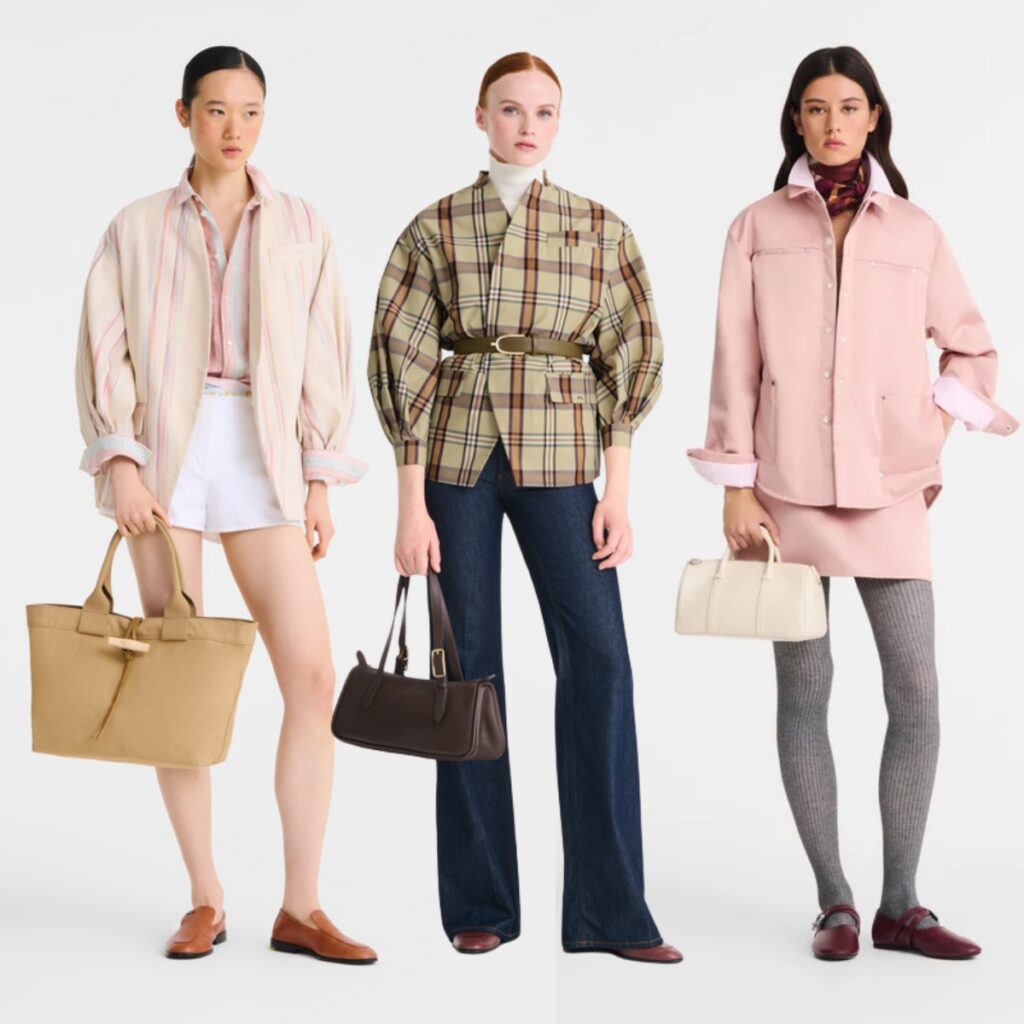
Le Roseau, Looong and Daylong Models
For women who are drawn to the Longchamp spirit but want something other than Le Pliage, the house has quietly expanded its universe with designs that feel both fresh and familiar. Collections such as Le Roseau, Le Smart and Looong speak the same visual language that made Longchamp beloved in the first place, while offering different silhouettes and a slightly different rhythm of elegance. It is proof that a classic does not need to be discarded. It only needs to be read again, with new eyes.
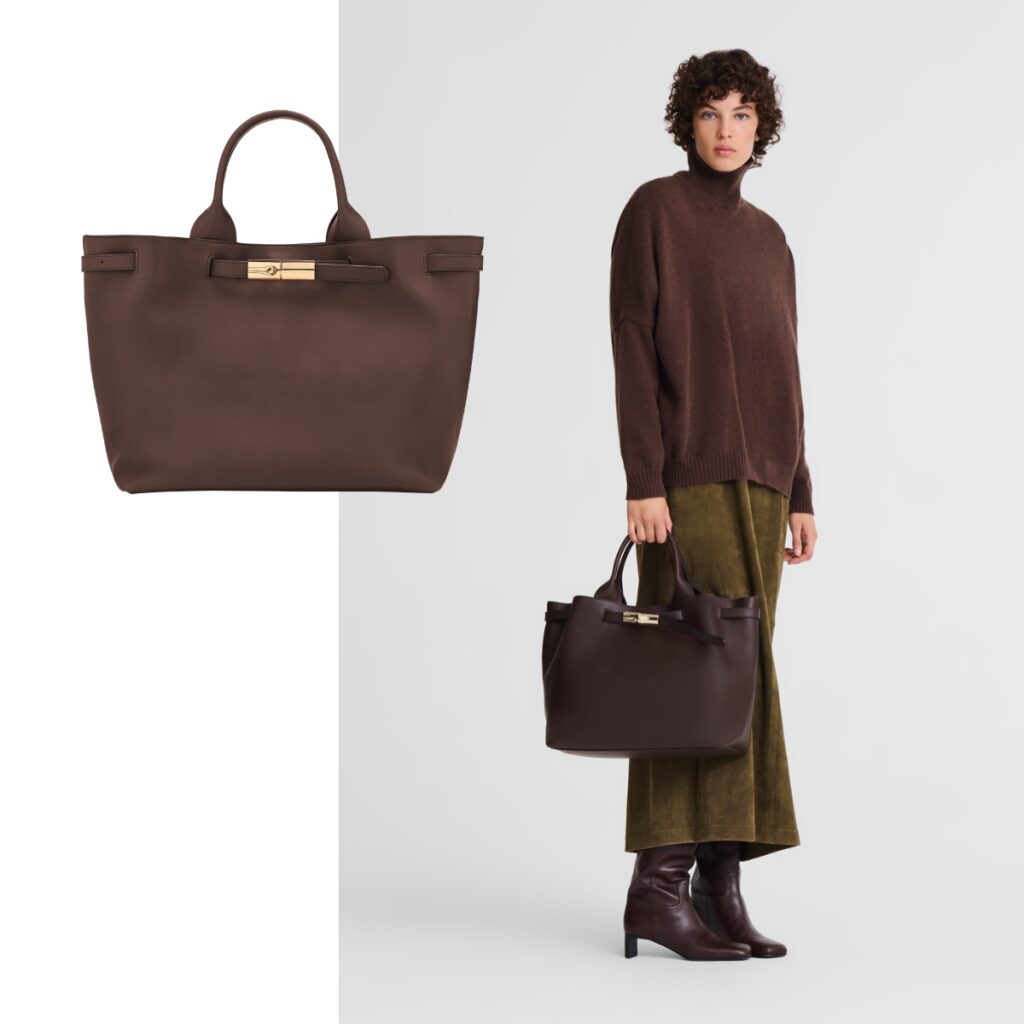
The tote bag Le Smart L is chic and timeless
Why the Longchamp comeback matters now
This revival is not really about nostalgia, even if nostalgia always hovers nearby when a 2000s bag returns. It is about correction. Fashion is rebalancing itself. Women are reconsidering what they want from the objects they carry every day. Visibility still matters, of course. But so do durability, ease, intelligence and the strange pleasure of owning something that does not exhaust you.
That is why the Longchamp bag revival feels larger than a seasonal trend. The return of Le Pliage tells us that style is moving, however quietly, away from spectacle and back toward usefulness. And perhaps that is what makes the bag feel modern again. It was never trying to be louder than everyone else. It was simply waiting for the culture to catch up.
Image courtesy @Longchamp