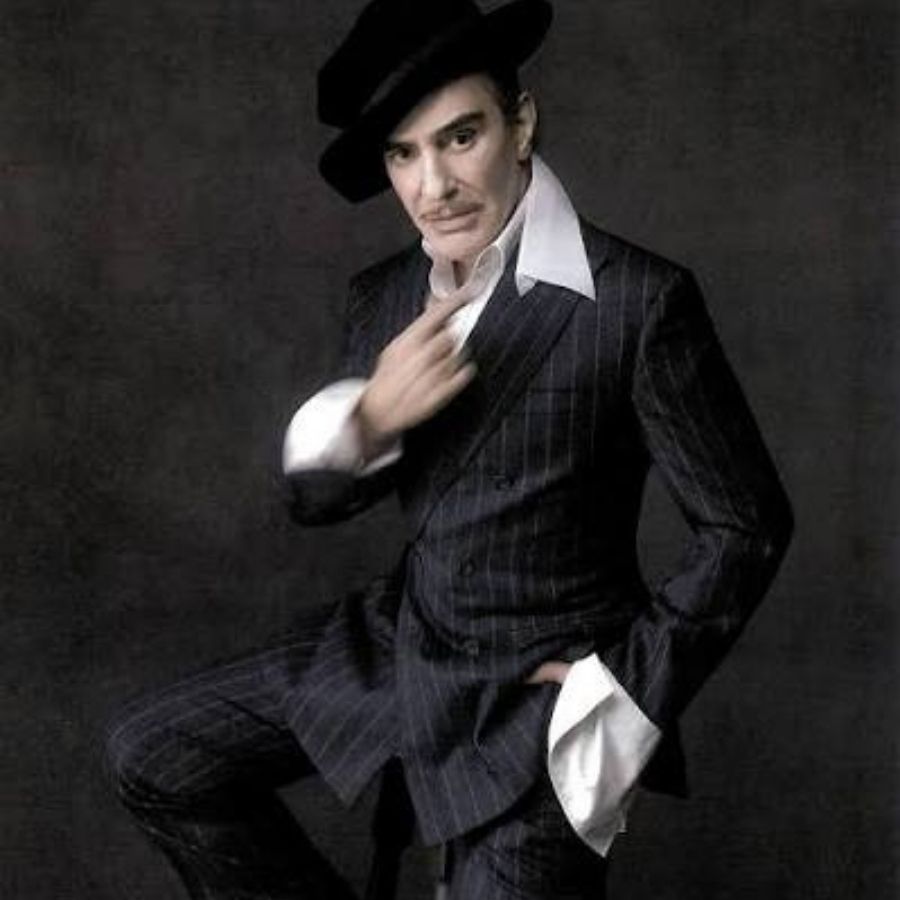
The Met and John Galliano have abandoned a 2027 retrospective after protests over his 2011 antisemitic and racist abuse. The anger is understandable. The refusal to recognise fifteen years of sobriety, apology and repair is harder to defend.
Fashion loves a comeback. Repentance makes it nervous.
On 31 August 2026, exactly one month after the Metropolitan Museum of Art announced John Galliano: Horizons, the exhibition disappeared. Before Met Gala guests had time to choose between a Galliano pirate, a bias-cut duchess, a Belle Epoque widow or one of Maison Margiela’s lacquered dolls, the red carpet was pulled up.
The show was meant to be the Costume Institute’s major spring 2027 exhibition and the theme of the next Met Gala. It would have examined four decades of work, from Galliano’s 1984 Central Saint Martins graduation collection to Givenchy, Dior and Maison Margiela. He would have become only the third living designer to receive a Met monograph, after Yves Saint Laurent and Rei Kawakubo.
I understand why many Jewish and Asian people objected. What Galliano said was vile. Yet I think cancelling the exhibition was a mistake. If legal consequences, sustained sobriety, repeated apologies, education and fifteen years of changed conduct cannot even earn a serious museum examination, accountability has become a corridor with no door at the end.
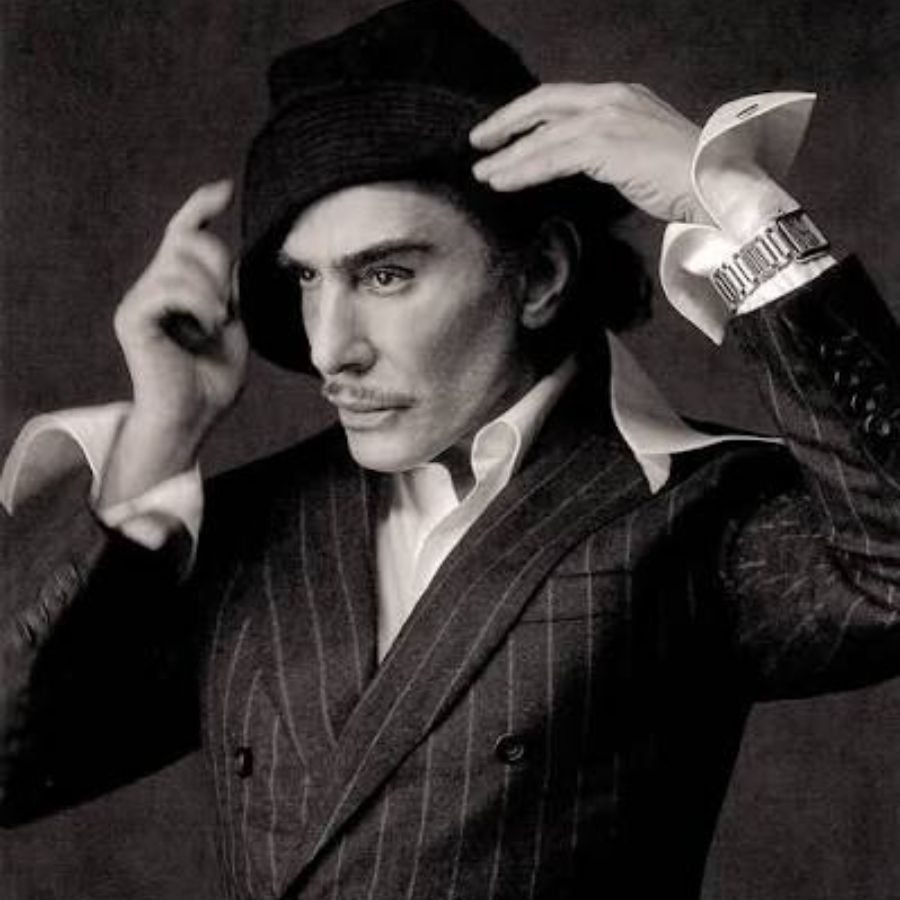
What Happened to John Galliano in 2011?
There is no chic way to retell the episode, so let us not try. In February 2011, Galliano was accused of racist and antisemitic abuse at La Perle, a bar in Paris. A video then circulated showing him drunk, praising Hitler and telling people that their ancestors would have been killed. The court case covered two separate complaints and included anti-Asian abuse as well.
Dior fired him after fifteen years. In September 2011, a French court found him guilty of antisemitic behaviour and imposed a suspended €6,000 fine, legal costs and symbolic damages. He also lost his position at the label bearing his name. This was no slap on a well-moisturised wrist. His career and public identity collapsed in a matter of days.
At trial, Galliano described addiction to alcohol, sleeping pills and Valium. Addiction explains the state he was in; it does not acquit the words. The court made the same distinction, noting that he remained aware of his actions despite his condition.
What Did Galliano Do After the Scandal?
Galliano entered rehabilitation in Arizona and later received further treatment in Switzerland. In his 2026 statement, he thanked those who had accompanied him through fifteen years of sobriety and recovery from alcoholism and addiction.
Sobriety was only one part of the work. In his first sober interview, given to Vanity Fair in 2013, Galliano described reading about the Holocaust and Jewish history, meeting Jewish leaders and making amends within fashion. Rabbi Barry Marcus later took him to synagogue, introduced him to a Holocaust survivor and built a course around Jewish history and practice.
Marcus, who has spent years promoting Holocaust education, said in 2015 that he felt duty-bound to open the door to someone trying to make amends. That does not oblige every Jewish person to forgive Galliano. It does show that the Jewish response was never a single, unanimous verdict.
The 2019 Allegation Cannot Be Brushed Aside
There is a complication that Galliano’s defenders must not tuck behind the curtain. Recent reporting revived an allegation about a 2019 encounter at a spa in Merano, Italy. A fashion publicist and the women involved said he mocked a guest who was speaking Hebrew. Galliano’s representative denied that the incident was antisemitic. The claim remains disputed, so it cannot honestly be presented as established fact. It also means the redemption story is less immaculate than a couture press release would prefer.
This is precisely why the exhibition mattered. A museum can place evidence, contradiction and testimony in the same room. Cancellation leaves us with rival social-media verdicts, each one certain and none especially interested in looking twice.
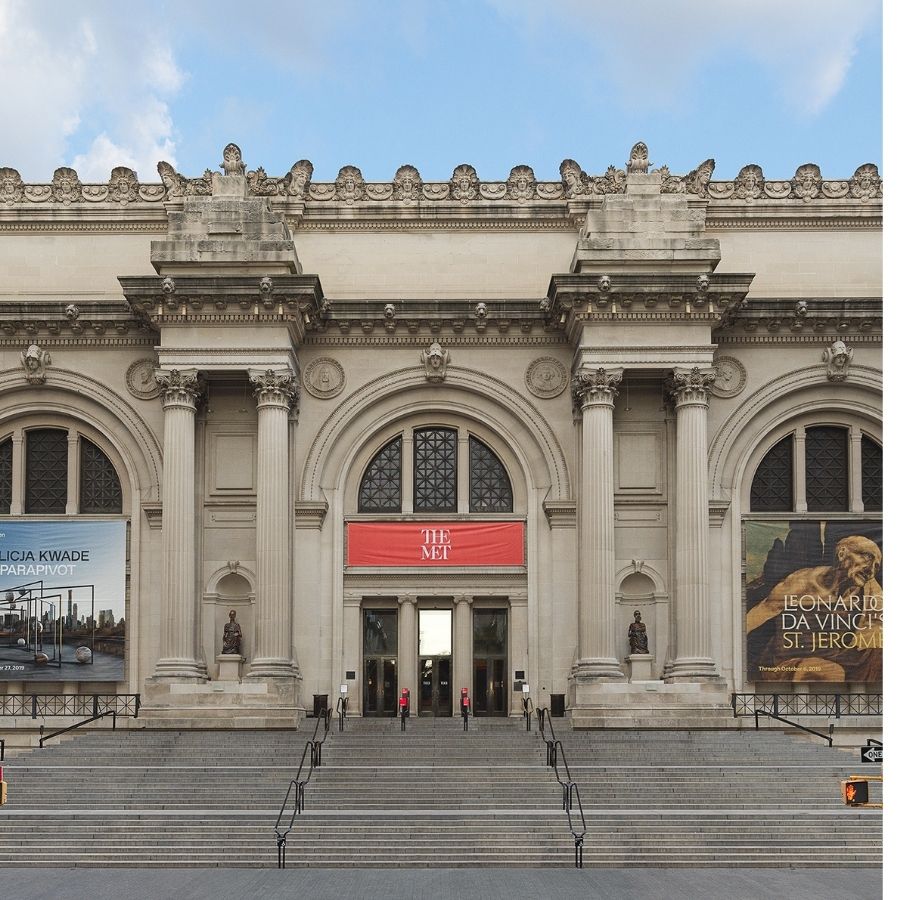
The Met Exhibition Was Not Going to Give Galliano a Halo
The original Met announcement explicitly said the show would address the conduct that changed Galliano’s career and ask how artistic achievement should be understood alongside ethical accountability. Andrew Bolton was not planning a room full of chiffon followed by a discreet fire exit before 2011.
A museum exhibition is an examination, even when the subject is alive. We can study Caravaggio without appointing him patron saint of anger management. Galliano’s clothes belong to fashion history whether the culture approves of him or not.
The objectors did have one very good point. The 2027 Met Gala was expected on 3 May, coinciding with the beginning of Yom HaShoah, Israel’s Holocaust Remembrance Day. Pairing Galliano’s name with that evening was astonishingly insensitive. The date should have been changed immediately. Better still, the Met could have separated the scholarly exhibition from the celebrity tribute. The gallery can hold nuance; a red carpet mostly holds poses.
Hollywood, the American Left and Selective Moral Outrage
Calling this political schizophrenia would be tempting, but it is the wrong diagnosis. Schizophrenia is an illness, not a synonym for hypocrisy. What we are looking at is moral incoherence, helped along by tribal politics and institutional fear.
Start with an important distinction. Criticising the Israeli government, defending Palestinian civilians or opposing Benjamin Netanyahu is not automatically antisemitic. If we erase that distinction, the word antisemitism becomes a political muzzle and eventually loses its ability to name actual hatred.
It would also be inaccurate to write that New York mayor Zohran Mamdani is simply against the Jewish community. He has condemned antisemitism and the 7 October massacre. He has met rabbis and Jewish leaders. At the same time, those meetings have revealed a serious rift. Several rabbis have warned that his rhetoric about Israel can spill over onto Jewish New Yorkers, who are already facing a frightening rise in hate crimes. Both facts can fit in one paragraph. Reality often refuses the convenience of a campaign poster.
Hollywood presents a similar problem. The Film Workers for Palestine pledge, endorsed by thousands of film professionals, says it targets Israeli institutions considered complicit in abuses, not individual Israelis or Jews. That wording matters. The practical consequences matter too. Cultural boycotts can isolate filmmakers who have no control over government policy, including artists who oppose it. Paramount publicly argued for more engagement rather than less. More than 1,200 entertainment figures signed a counter-letter.
Then there is the old conspiracy that Jews control Hollywood, the media or the American government. It has not become sophisticated because someone replaces the word Jew with Zionist and adds a university footnote. The International Holocaust Remembrance Alliance lists claims of Jewish control over institutions as a classic example of antisemitism. This poison now travels through the far right and parts of the anti-Zionist left. Antisemitism has never been fussy about party membership.
Here is the double standard. Parts of the cultural establishment insist on context and careful distinctions when an ally is accused of antisemitism. With Galliano, some of the same world treats context, punishment, recovery and repair as irrelevant. Context is not a pardon. It is part of judgement. If it matters for a movement, it should matter for a man.
Why John Galliano’s Work Still Deserves a Museum
Galliano is not important because fashion enjoys a fallen genius. He changed the way late twentieth- and early twenty-first-century fashion used history, character and spectacle. His 1984 Les Incroyables collection was bought in full by Browns. At Dior, he turned couture into a form of narrative theatre while keeping a dressmaker’s command of cut, especially the bias line. At Maison Margiela, he rebuilt his practice slowly and finished with the 2024 Artisanal collection under the Pont Alexandre III, a show that made fashion people look up from their phones for longer than nine seconds.
Removing the exhibition does not remove that influence. It sends the story back to mood boards, auction catalogues and reverent Instagram clips, where the clothes will be admired without any of the ethical framework the Met had promised. That is a strange victory for accountability.
Max Hollein and the Austrian Detail
Max Hollein is the Austrian-born director and CEO of the Metropolitan Museum of Art, brother of Lili Hollein, director of MAK in Vienna. He studied art history and business in Vienna before leading museums in Frankfurt and San Francisco.
An Austrian museum director understands, or should understand, that memory is serious work. Difficult history cannot be managed only by removing the object that has made the room uncomfortable. Hollein and Bolton had designed a show capable of examining beauty, prejudice, addiction, punishment and repair. Then donor pressure and political alarm arrived, and the institution retreated.
Museums depend on donors; this is hardly breaking news. Their authority also depends on curatorial nerve. If every difficult exhibition must first survive a referendum among benefactors, the museum becomes a very large private drawing room with better climate control.
Who Gets to Decide Whether Galliano Is Forgiven?
No one can demand forgiveness from the Jewish or Asian people hurt by Galliano’s words. Communities are not committees, and pain does not arrive with a majority vote. Julie Menin, the Jewish speaker of the New York City Council and daughter of a Holocaust survivor, opposed the exhibition. Rabbi Barry Marcus defended Galliano’s efforts to change. Both responses deserve to be heard.
The Met still had choices. It could have changed the Gala date, removed Galliano as the party theme, kept the exhibition as a critical study and brought Jewish and Asian scholars into the curatorial conversation. Instead, everything was cancelled. It is administratively tidy. Morally, it teaches us very little.
In his withdrawal statement, Galliano wrote that meaningful atonement is not achieved through an exhibition. He is right. It is shown through conduct over time. The irony is that his decision to step away may be the latest evidence of exactly that conduct.
A culture that believes in accountability must leave some route back from disgrace. Otherwise apology is theatre, rehabilitation is branding and punishment has no purpose beyond permanent exclusion. The Galliano exhibition could have tested whether fashion was mature enough for a difficult conversation. We got a cleaner guest list instead.
FAQ: John Galliano and the Cancelled Met Exhibition
| Why was the John Galliano Met exhibition cancelled? | The Met and Galliano jointly withdrew John Galliano: Horizons after objections from Jewish leaders, donors and politicians over his 2011 antisemitic and racist abuse. The expected 2027 Met Gala date also coincided with the start of Yom HaShoah. |
| Was John Galliano convicted for his 2011 remarks? | Yes. A French court found him guilty of antisemitic behaviour in September 2011 and imposed a suspended €6,000 fine, legal costs and symbolic damages. |
| Did John Galliano apologise? | Yes. He has apologised repeatedly, entered addiction treatment, remained sober for fifteen years and worked with Jewish leaders, including Rabbi Barry Marcus. A disputed allegation concerning a 2019 encounter has also complicated the account of his rehabilitation. |
| Will the 2027 Met Gala still take place? | The Met said it will announce a replacement spring 2027 Costume Institute exhibition and new details for the 2027 Met Gala at a later date. |